




The passenger train pulled into the station at midnight. Jaggu alighted and looked up and down the platform. He was the only one to get off here. The halt was exclusively for me, he thought to himself as he walked out of the station, rather chuffed. He had expected a teashop or two to still be open where he could toss off a cup of hot tea before proceeding to Palasgaon, refreshed. But the town was fast asleep like a baby, its legs curled up against its chest. Resigned to walking unrefreshed, Jaggu turned to the road leading out of the town. Bullock carts that had brought produce from surrounding villages to the market rested on both sides of the road. The owners slept in, around and underneath them. The unyoked oxen, tethered to the wheels, now poked at the spokes with their horns, now snorted. Chaff, dung and straw lay scattered around, the steamy smell swirling in the cool, quiet air. It was not an odour you ever encountered in the city. It belonged quintessentially to the village. Jaggu realised that his returning to the village now, and for this reason, probably meant that it was his last visit there. With the gods gone, there would be no reason to return.
Back in the day, during vacations, he would deliberately arrive at night. Trudging down this seven-mile stretch in the pitch dark added to the thrill of coming home. Jaggu stepped on a tender twig as he walked past a bullock cart. He picked it up and moved on, swinging it in the air, admiring its suppleness.
The barking of dogs in the town he had left behind grew gradually fainter. The mellow light of the stars now wrapped itself all around him, from above and behind and in front. Trees and hills lost their shape in their own shadows. The breeze blew cooler. Recalling the many journeys he had made down this very road, Jaggu broke into song, reciting poems and slokas loudly to drive away fear. The road, the darkness, the sounds from the jungle remained the same during every vacation, only he had changed from year to year. What drew him back to the village after he had left for his education was the longing to meet his parents. But an even earlier longing was of looking for jambhul trees and eating its fruit, knocking down mangoes, and plunging into thickets of berry bushes in the forest to pick the fruit. Local plays were another draw. As he grew older, the thought of spending hours chatting with his cousins and old friends became the incentive to return home. Every year he found the previous year’s longing to be back amusing and childish. As we grow older, we lose a little something from an earlier time. It remains with us only as a nostalgic memory.
And now this was to be his last visit.
On a sudden impulse, Jaggu threw his hands up in the air and belted out the lusty lavani: She filled my heart, the beautiful one… His voice sounded all wrong as it faded into the dark vastness of space. I have neither the voice nor the talent for singing, he thought. He had not admitted it in all these years when he had sung half-remembered songs loudly on this road for the sheer joy of being out in the open, surrounded by forests. As we grow older, we set too much store by good and bad.
The road was mostly hidden from view by the darkness and the trees on either side. But the feet could feel what the eyes could not see. They followed the curves of the road like a train that takes every bend in its tracks automatically. Jaggu knew he had emerged from the trees onto the open plain when he felt a fresh breeze play on his skin. He now directed his senses towards recognising familiar places. Round this bend was the pond. Before his eyes, the cranes he had seen meditating on the bank in days gone by, rose and took flight. Three miles down on the right was the stepwell where bullock carts habitually halted. You drank water there and fed some to the oxen. It was on this road that he had goaded his oxen so hard to make them run faster in the bullock cart race that the goad had pierced one of them and had remained stuck in its flank. He remembered how frightened he had been. He saw himself leading the cart to the side of the road; saw the deep ditch at the edge; saw the swarm of buzzing flies that had followed him.
It struck Jaggu that he was reliving old events to find relief from the oppressive darkness. He waved his hand over his head to rid himself of the memories as he had done that day to drive away the flies. Then he broke into the lavani again, singing with gusto:
She filled my heart, the beautiful one
Did not wait a moment
Came straight into my home
With a pearl string in her hair.
Jaggu stood at the top of a slope. Day would soon break. A herd of early grazing cattle passed by, wary of him, nudging each other. They signaled the proximity of the village. His spirits rose. He asked the young cowherds meaningless questions – How far is the village? Whose cattle are these?
No longer oppressed by the darkness, he recalled why he was going to the village. They were going to take the gods away. He wondered at himself for not having thought of the gods even once in all this time. He had walked the entire long road with fear in his heart but had not once taken Narahari’s name. When his grandmother needed to go out by the backdoor to relieve herself at night, Narahari was always with her saying, “Don’t be afraid, Yamuna.” She did not fear anything, ever.
And here was Jaggu, so young, and yet afraid not only of the dark but of all kinds of other things. How strange was that! Grandmother had god’s support at every step. He had no support. He floated midair. He leaned against the wall of the bridge on the outskirts of the village and looked down. It was still not light enough to see anything; and yet he saw what he had seen every summer for years—a stream dotted with dozens of rocks. He walked to the other side of the bridge and looked into the distance. He could make out the very faint outlines of hills etched against the sky. In the heat of summer, the stream turned into a series of pools. It had taken him a long time to realise that the pools were the stream. But he had never quite made out whether the stream flowed into the pools or the pools flowed into the stream. He had doubts even now. It was in this mood that he entered Palasgaon.
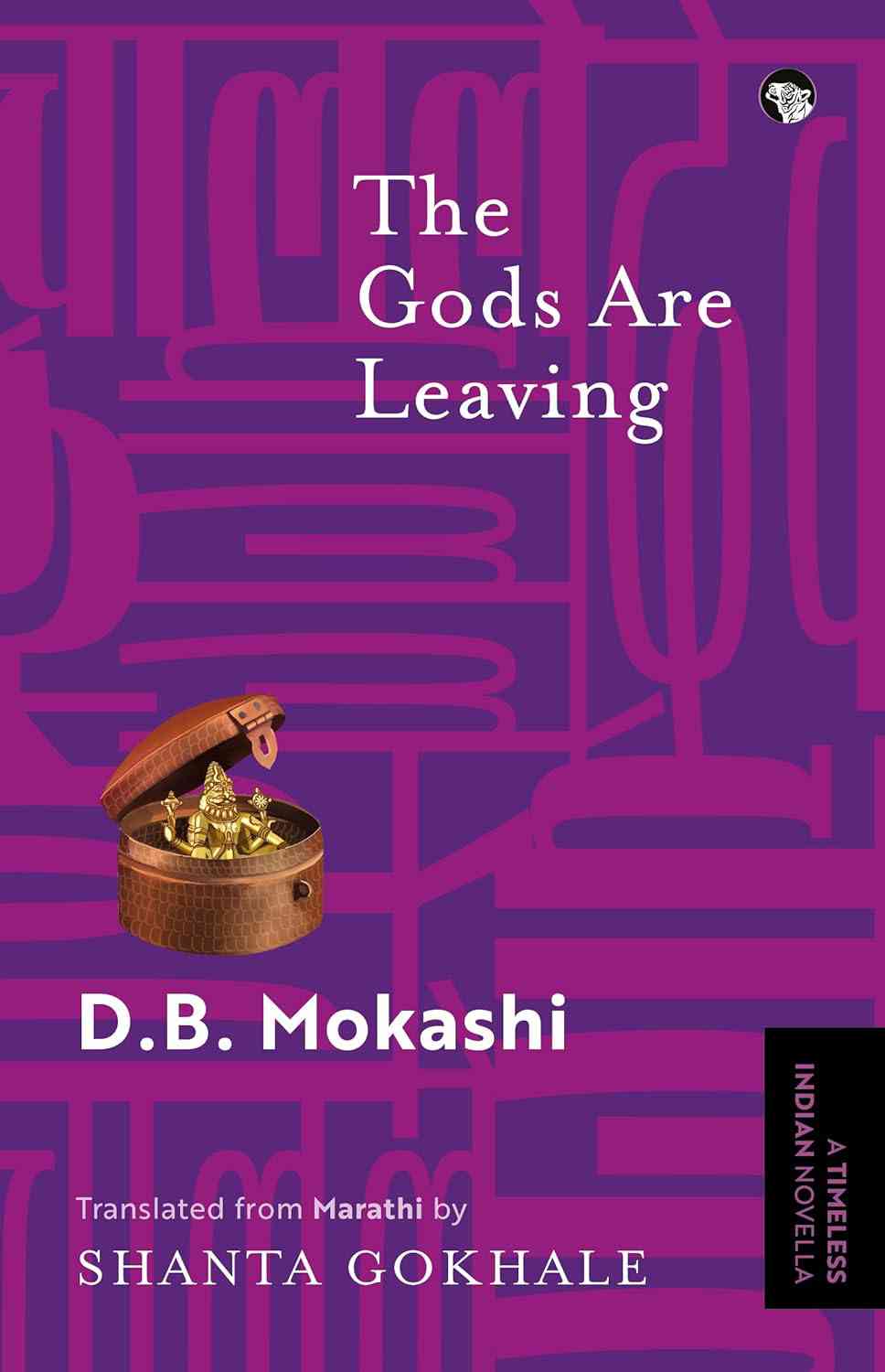
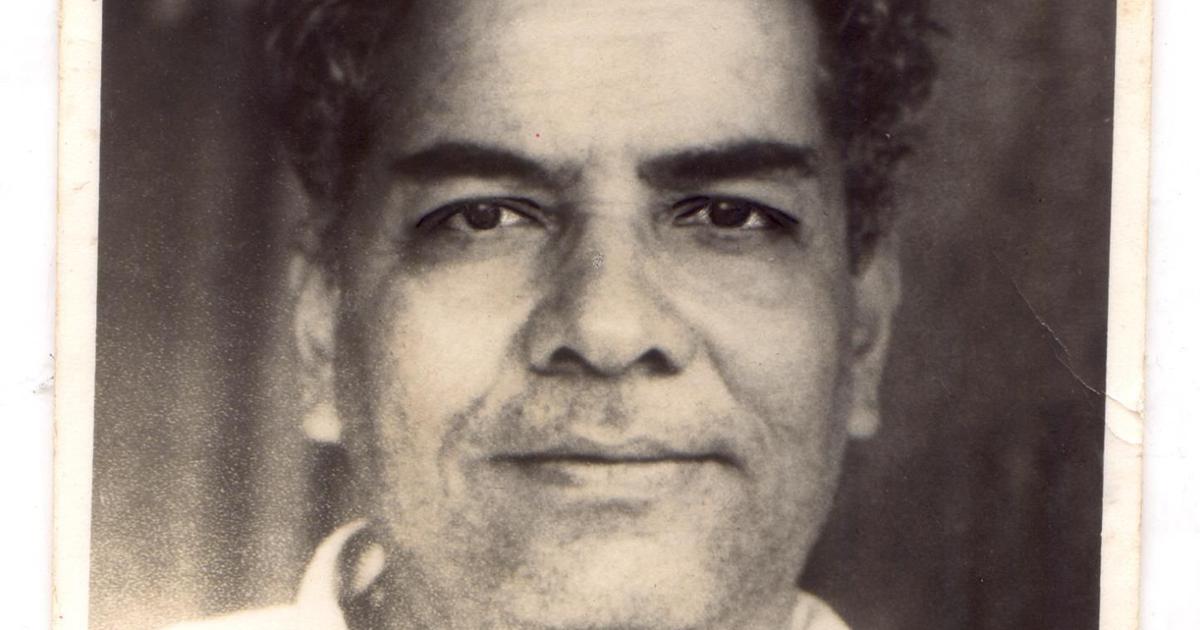
Excerpted with permission from The Gods Are Leaving, DB Mokashi, translated from the Marathi by Shanta Gokhale, Speaking Tiger Books.
